You might have noticed there’s a certain Latin flavour around here that has nothing to do with salsa. As Roman life makes one of the “Three-R” pillars of this blog (Reading, Writing, and Romans), this also seeps in to the language.
Now, I’m the first to admit my Latin is atrocious, but that doesn’t mean I don’t find Latin fun (on the occasion I can make sense of it). So here are a few non-stuffy resources to learn Latin — including the use of Lego!
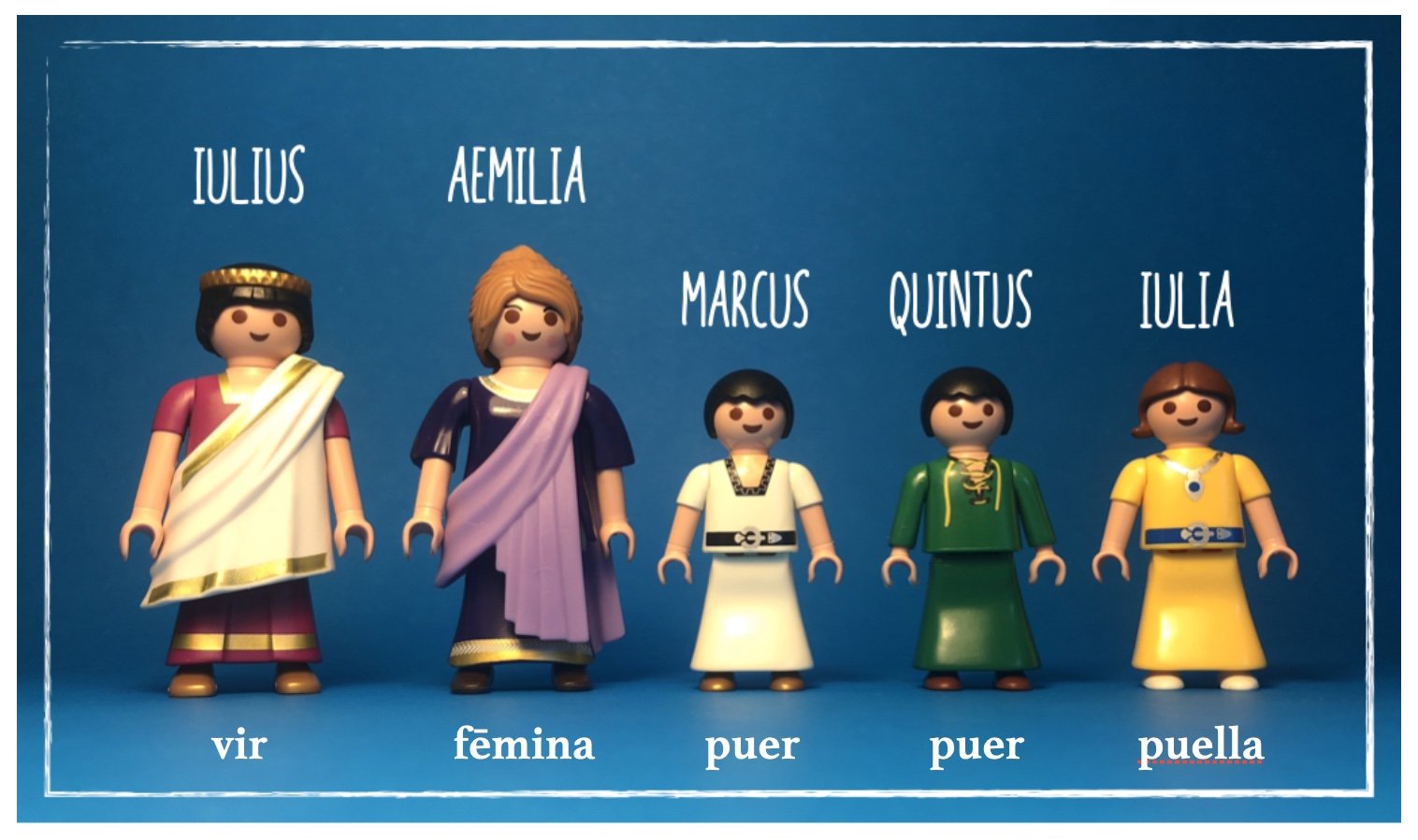
The above is made by Legonium, as part of his recent series for teaching basic Latin. He puts up mini-lessons here which are quite fun, and there are free downloads to help. For more advanced readers, there’s also plenty more on the site from Cicero to Star Wars.

I first came across Legonium on Twitter (@tutubuslatinus), where he’s got quite a fun feed. It’s always amusing to see a picture of a Lego roadrunner and coyote or a little funky poem and a tweet-sized bite of Latin, and trying (reasonably successfully) to decipher it for myself.
While you’re on that platform, there are also Latinitium and The Latin Programme, if you want to learn random factoids about Latin. Between those, a few academics, and some selective curating I basically managed to train their algorithm to immerse me in archaeology, architecture, and book-memes. I did pretty much the same on Instagram (which I hardly visit these days), and working on BlueSky (I’m here, if you’re on). Makes for a much more pleasant experience, so holler if you want recs or can recommend similarly antiquated fun accounts.

Back to the subject of Latin, I previously did about a third of The Great Courses Latin 101. It was quite good, but learning a language is always time consuming. Also hard when you’re breaking your teeth on Cicero and Caesar. At least with Legonium’s tweets there’s usually a funny meme attached 😅
Still, it’s something on my bucket list to complete, once I hunt down the leprechauns handing free time. It won’t make me a classicist, but I find it expands my mind in a fun and way enjoyable — and isn’t that what life is all about?
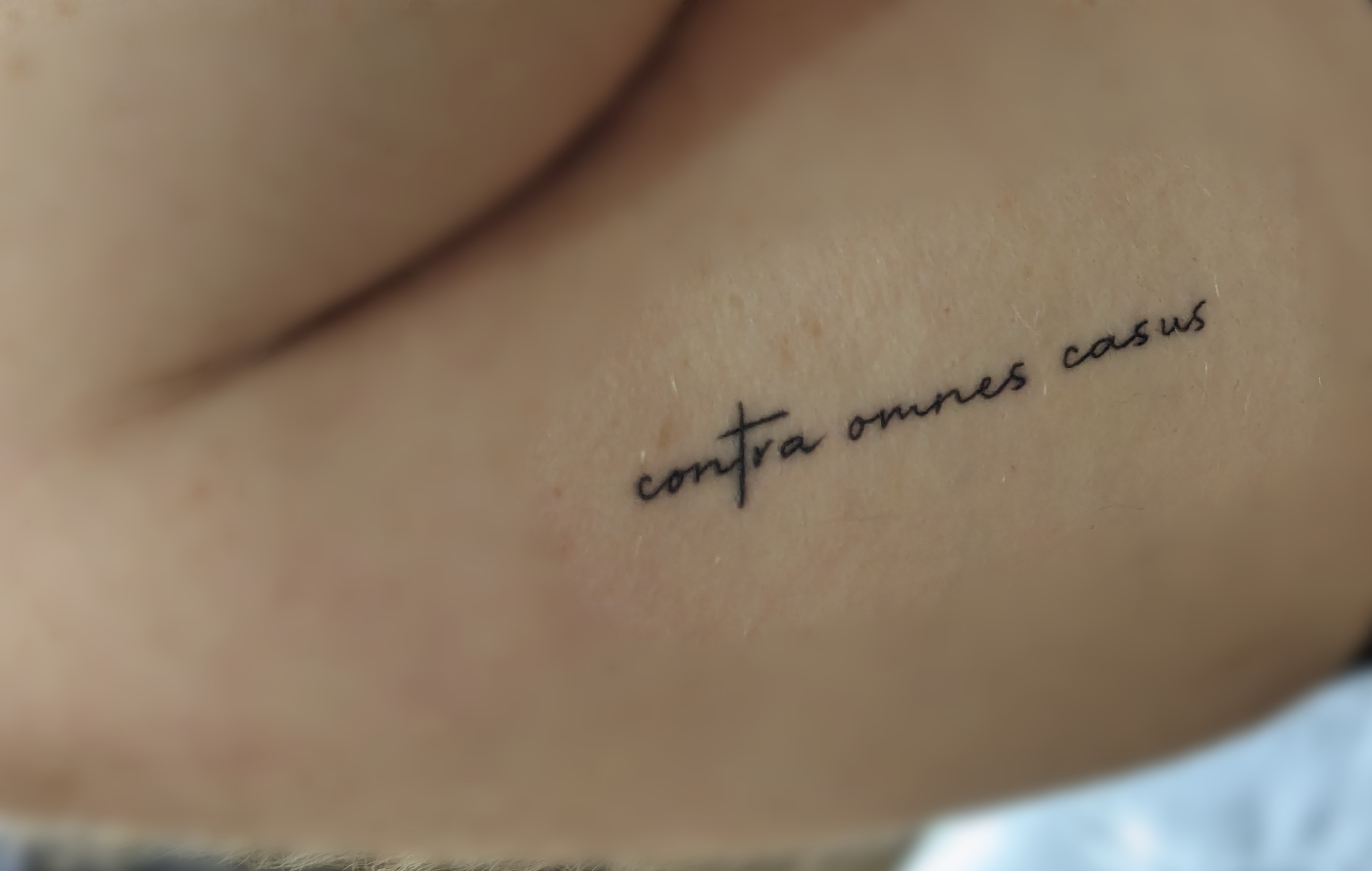
In the mean time, my wife and I got matching tattoos in (pig) Latin for our wedding anniversary. It’s a rather literal translation of “against all the odds,” which means something for us.
Part of a language is also the culture behind it, and I know this isn’t how a Roman would express the thought behind it. Felix might say something like “despite Fortuna’s will” (and probably immediately regret it, because his patron goddess is fickle and quick to anger). And that’s beside the fact that Roman citizens viewed tattoos as a branding for slaves, not something they’d ever willingly subject themselves to.
But for us, it was that particular phrase that mattered, and at least I made sure that the word choice was better than what Google Translate might come up with, and properly conjugated. This personal meaning has magic all of its own, altogether different that the magical tattoos you’ll find in Felix’s novels but no less real.
And that kind of personal magic is why we study languages in the first place.
Anyway, I hope you found the insights into the Latin language and Roman culture as fascinating as I do. I take great care to fit these nuggets of human life and drama into the stories I write. If you’ve read the novels, I’d love to hear from you! If you haven’t yet, why not enjoy the free short stories and novels until next time?
 FELIX THE FOX MYSTERIES